Hardliner Government, Radicalized Public Rule Out Dialogue In Iran
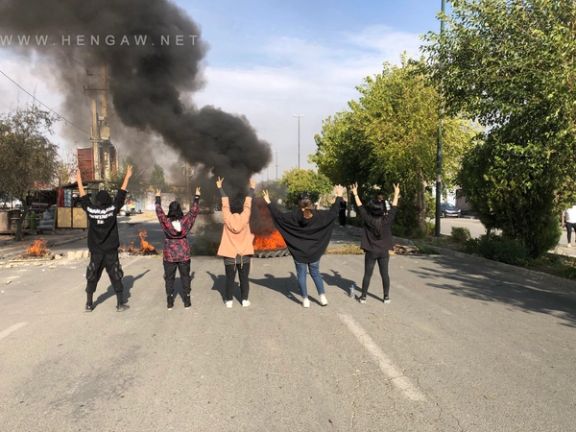
After weeks of intense protests in Iran, some factions within the regime seem to realize that a dialogue is needed with social groups to regain control of the country.
After weeks of intense protests in Iran, some factions within the regime seem to realize that a dialogue is needed with social groups to regain control of the country.
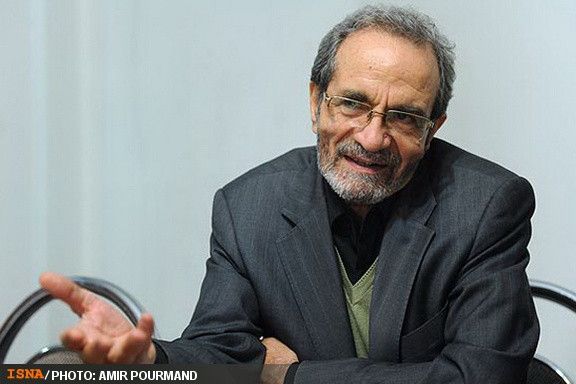
More frequent articles appear in government-controlled media about how to start public discussion and to listen to opponents. But academic Najafgholi Habibi, the former chancellor of Allameh Tabatabai University says the main precondition for a such a dialogue is immunity for individuals who take part in public discussion with hardliners close to the core of the regime.
In an interview with ISNA, Habibi maintained, however, that holding dialogue at the current juncture may not be effective at all.
Discussions advocated by some hardliner individuals and organizations including Judiciary Chief Gholamhossein Mohseni Ejei and the Iranian state TV controlled by the office of Supreme Leader Ali Khamenei have their roots in Khamenei’s idea of “free thinking” or “open mindedness” that he put forward in the 2010s which initially aimed at the Iranian universities.
However, even then students who tried to be open minded in meetings with Khamenei found themselves in jail or were harshly criticised by hardliners after they disagreed or came up with new ideas that were not consistent with Khamenei’s rigid mind frame. In other words, he supported open mindedness as long as open-minded people echoed his own words.
Habibi said in the interview that the universities shelved the idea after a short while as they found it impractical under the circumstances. But he did not say that Khamenei’s toleration for different ideas have become even less in recent years after he decided that the entire government should be monophonic with no room for any idea other than his own hardline conservative doctrines.
What Habibi also failed to mention is that the political atmosphere has become so intense that when some traditional reformists recently were given a tribune on state TV, their mild comments infuriated many people on social media who simply reject the Islamic Republic.
In a recent case, social media users harshly criticised Ahmad Zeidabadi for suggesting the idea of communicating with the government on state TV. He said in a tweet after his first ever TV appearance that he “was sleepless that night because of fear of getting arrested.” But this was not his only fear, he said in the tweet that he was afraid of criticism for taking part in a debate at the state TV no matter what he said.
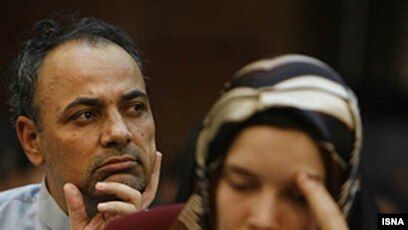
Zeidabadi explained that he was even criticized for talking about non-violent struggle against a regime that attacks peaceful demonstrators with shotguns. Many also criticised him for talking with a regime thug, hardliner Sadeq Koushki, while security forces attacked young children in schools.
Addressing the government, academic Habibi said that the regime should have thought of maintaining dialogue with the people when there was still hope in improving the situation. Now, he said, we can only think of discussions only when confrontation with the people comes to an end.
Nonetheless, he said that the government is planning to launch Dialogue Houses within the universities. This, he said was too late. Universities now are the venues of the most radical demonstrations and harshest slogans with many F-words against Khamenei.
Meanwhile, knowing that the Supreme Council’s idea of a dialogue is nothing more than voicing the Supreme Leader’s ideas, Habibi reiterated that “all academics should be able to voice their ideas, not just one group of them, and all students have a right to have their ideas heard.”
“The society can decide what is right and what is not only after all sides have voiced their ideas,” he said, adding that “This is in the interest of the country.” Habibi stressed that using force against the youths is useless and will not solve any problem.


The 40th day of a loved one’s death has a special significance in Iran, and in case of an unjust killing, such as the 22-year-old woman, Mahsa Amini, who died in police custody, the occasion turns into public mourning and fuels angry protests.
A large crowd of people gathered Wednesday morning in the cemetery of Saqqez, Mahsa Amini’s hometown, where the icon of Iran’s 2022 protests is buried, to commemorate the fortieth day of her death.
Videos received by Iran International show that people were chanting “Freedom, Freedom”, “Khamenei will be ousted this year” in the Saqqez cemetery, northwest Kordestan province.
Large attendance at the fortieth day ceremony of Mahsa Amini comes as security forces threatened her family not to hold any gathering at her grave.
All the roads to Saqqez were also blocked Tuesday night by police and the armed forces deployed to prevent people from other cities to come to Saqqez.
By 22:00 local time protests were reported in 30 cities across the country.
Protests in Tehran and many other cities gained momentum toward the afternoon and became more intense in the evening. Judging from videos posted on social media, Wednesday turned up to be perhaps the strongest day of demonstrations so far.
Although younger people continued protests in universities, a more mixed crowds of protesters could be seen in the streets.
Toward the evening, the government announced a "terror attack" on a shrine in Shiraz, although people's reactions on social media showed they were skeptical about who was behind the incident. Officials blamed extremist Sunnis.
Meanwhile, workers at Tehran’s refinery went on a strike on Wednesday to join the protest movement.
Students in Karaj and Shiraz universities also staged protests to mark the fortieth day of Mahsa Amini’s death. They chanted “Woman, Life, Freedom” and “We don’t want bystanders, join us!”
Shops and bazaars closed in many cities as a sign of respect for Mahsa Amini, or as a protest strike. Bazaar workers in Tehran were protesting in the streets surrounding the sprawling market place.
We provided live coverage of events in Iran on October 26, posting news flashes and videos received on social media.
Our coverage last 12 hours and ended at 00:30 on Thursday local time.
-----------------------------------------------------------------------------------------------------------------------------
-----------------------------------------------------------------------------------------------------------------------------
-----------------------------------------------------------------------------------------------------------------------------
-----------------------------------------------------------------------------------------------------------------------------
We have received a video showing a citizen killed tonight by security forces in Zanjan. He was bleeding heavily from his head and neck. We are not posting the video here.
-----------------------------------------------------------------------------------------------------------------------------
A large crowd in Rasht, northern Iran chanting "Freedom, freedom", apparently without any intervention by security forces.
-----------------------------------------------------------------------------------------------------------------------------
People marching in Borujerd, Lorestan Province, apparently without security forces nearby.
-----------------------------------------------------------------------------------------------------------------------------
Protesters arm themselves with whatever they can find in the street. Unrest in Zanjan.
-----------------------------------------------------------------------------------------------------------------------------
-----------------------------------------------------------------------------------------------------------------------------
There are also reports of protests in Qazvin, north, Orumiyeh (Urmia) northwest and in Bandar Abbas on the Persian Gulf coast.
-----------------------------------------------------------------------------------------------------------------------------
This is the second video we have published of Rasht in northern Iran. There is no sign of security forces at this spot.
-----------------------------------------------------------------------------------------------------------------------------
A relatively small group of people in Abadan, near the Persian Gulf, are chanting "Death to the dictator".
-----------------------------------------------------------------------------------------------------------------------------
Protesters are shouting that they have conquered to streets in Andimeshk, southwestern Iran, as no security forces can be seen.
-----------------------------------------------------------------------------------------------------------------------------
Protesters in Kerman shout, "This year is the year of blood, Seyyed Ali will be gone", referring to Supreme Leader Ali Khamenei.
-----------------------------------------------------------------------------------------------------------------------------
The crowd in Dezful, Khuzestan Province chant "Reza Pahlavi", the exiled prince of Iran and son of the late Shah, Mohammad Reza Pahlavi.
-----------------------------------------------------------------------------------------------------------------------------
Rasht, northern Iran. Protesters run as security forces fire weapons.
-----------------------------------------------------------------------------------------------------------------------------
This video from earlier Wednesday shows people overwhelming security forces in Tehran.
-----------------------------------------------------------------------------------------------------------------------------
Protesters in Lahijan, northern Iran chanting "Death to the dictator" Wednesday evening.
-----------------------------------------------------------------------------------------------------------------------------
Tabriz, the largest city in northwestern Iran joined the protests as evening began, with this video showing a large crowd in the streets.
-----------------------------------------------------------------------------------------------------------------------------
Earlier Wednesday, students at Najaf-Abad University marching and trampling on Supreme Leader Ali Khamenei's picture.
-----------------------------------------------------------------------------------------------------------------------------
People in the central city of Arak chant "Death to the dictator". We reported earlier that all shops were closed in the city as a sign of respect on the 40th day of Mahsah Amini's death.
----------------------------------------------------------------------------------------------------------------------------
Protesters roaming the streets in Mashhad, an important religious city Wednesday evening.
-----------------------------------------------------------------------------------------------------------------------------
Protest in Sadeghiyeh district of Tehran in the evening. People chant, "This year is year of blood, Seyyed Ali will be gone", referring to Supreme Leader Ali Khamenei.
-----------------------------------------------------------------------------------------------------------------------------
A group of people on a rooftop in Tehran's Sepahsalar district throw anything they can find on the security forces below in the street.
-----------------------------------------------------------------------------------------------------------------------------
Protesters in Tehran early Wednesday evening. As night falls protests intensify in all cities.
-----------------------------------------------------------------------------------------------------------------------------
Students in Chamran University in Ahvaz chanting "Freedom, freedom" on Wednesday.
-----------------------------------------------------------------------------------------------------------------------------
People in Tehran midday Wednesday chanting "Death to the dictator.
-----------------------------------------------------------------------------------------------------------------------------
Protest in Shahriar, a suburb of Tehran, where people chant "Freedom, freedom, We are all together".
-----------------------------------------------------------------------------------------------------------------------------
A group of protesters bein marching in the district of the Tehran Bazaar Wednesday afternoon.
-----------------------------------------------------------------------------------------------------------------------------
DUBAI, Oct 26 (Reuters) - Iran's semi-official ISNA news agency confirmed clashes took place on Wednesday between security forces and people taking part in a memorial ceremony for Mahsa Amini in her Kurdistan province hometown of Saqez.
"A limited number of those present at Mahsa Amini's memorial clashed with police forces on the outskirts of Saqez and were dispersed. Following the scattered clashes, internet in Saqez was cut off due to security considerations," the agency reported, adding about 10,000 people had gathered.
----------------------------------------------------------------------------------------------------------------------------
People in a small group walking in the street and chanting, "This year is a year of blood, Seyyed Ali will be gone", in reference to Supreme Leader Ali Khamenei.
-----------------------------------------------------------------------------------------------------------------------------
Security forces on Wednesday fired tear gas into a school in Tehran, as students often chant slogans against the regime. Reports say some students fell ill and found refuge inside the building.
-----------------------------------------------------------------------------------------------------------------------------
Shops closed in the northern city of Rasht to honor the memory of Mahsa Amini on the 40th day of her death in police custody.
Shops are also closed in Tabriz, the largest city in northwest Iran.

-----------------------------------------------------------------------------------------------------------------------------
The video below shows the large crowd walking to the cemetery in Saqqez where a ceremony was held Wednesday morning on the 40th day of Mahsa Amini's death. She was killed in the custody of Iran's 'morality police', which triggered the uprising in Iran.
-----------------------------------------------------------------------------------------------------------------------------
A protest erupted in Tehran's electronic shopping center called the "computer bazaar".
-----------------------------------------------------------------------------------------------------------------------------
There’s are reports of Arak Aluminum factory also joining industrial and commercial strikes. Iranian Aluminum Company is a manufacturer located in Arak. It is the largest producer of aluminum in Iran.
----------------------------------------------------------------------------------------------------------------------------
Protests started in the Tehran Bazaar vicinity Wednesday noon, where no security forces can be seen.
-----------------------------------------------------------------------------------------------------------------------------
The bazaar in the central city of Arak is closed to honor Mahsa Amini on the 40th day of her death in police custody.

-----------------------------------------------------------------------------------------------------------------------------
LONDON, Oct 26 (Thomson Reuters Foundation) - Protests engulfing Iran have reached a point of "no return" as demonstrators demand wide reforms beyond the end of mandatory hijab rules, said British-Iranian charity worker Nazanin Zaghari-Ratcliffe, who spent six years detained in Tehran.
She said the Islamic government's crackdown on the popular revolt and shutdown of the internet showed it was scared of losing control.
"The anger has been building up for many, many years," said Zaghari-Ratcliffe as demonstrations raged for a sixth week, triggered by the death in police custody of 22-year-old Mahsa Amini after she was accused of wearing her headscarf improperly.
"We can see a coming together for one single goal, and that is freedom. The protests are really, really powerful this time. I don't think we've ever seen the unity we're seeing now," said Zaghari-Ratcliffe, describing Amini's death as the "spark for an explosion".
-----------------------------------------------------------------------------------------------------------------------------
Security forces in Tehran attacked people gathered outside the offices of Iran's Medical Council with tear gas and shotgun 'birdshots'. The Medical Council was preparing to publicly read a statement condemning the government for undue pressure on the medical community during the protests, including the use of ambulances to transport detained protesters caught in the streets.
The Medical Council of the Islamic Republic is a non-governmental trade association, although the government tries to control it activities.
In the video below protesters are chanting "Death to Khamenei" near the Medical Council building.
This video shows the heavy presence of security forces Wednesday morning around the Medical Council headquarters.
-----------------------------------------------------------------------------------------------------------------------------
Protests started in Shiraz, capital of Fars Province Wednesday morning after security forces entered two universities and attacked students who were demonstrating.
-----------------------------------------------------------------------------------------------------------------------------
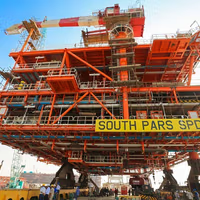
Tehran oil refinery workers joined labor strikes that started two weeks ago in southern Iran's oil and gas installation.
-----------------------------------------------------------------------------------------------------------------------------
People walking to the cemetery where Mahsa Amini is buries in Saqqez, Wednesday morning.
-----------------------------------------------------------------------------------------------------------------------------