Pharmacies On Verge Of Bankruptcy In Iran: Expert
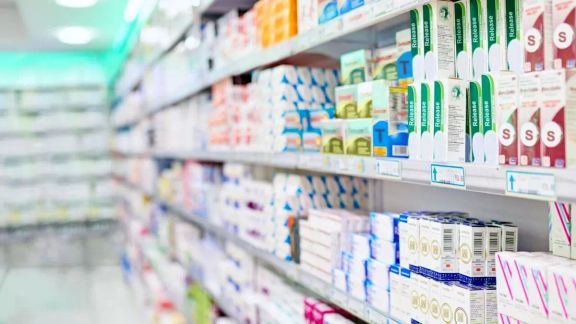
An Iranian pharmacist says many of the pharmacies in Iran are going bankrupt due to economic problems.
An Iranian pharmacist says many of the pharmacies in Iran are going bankrupt due to economic problems.
Mohammad Reza Afkhami, Secretary of Khorasan Razavi Pharmacists Association, said pharmacies are not separate from other guilds and they are not in a good economic situation either.
“Currently, the economy of pharmacies is ruined, and they are on the verge of closing down. If the situation continues like this, we will see the closure of pharmacies soon,” warned Afkhami.
He listed the increase in the number of pharmacies, inflation, lack of pharmaceutical items, high taxes, rents, cost of bills, etc. as factors of the bankruptcy of pharmacies.
This Iranian expert also added that some common medications like cold pills, acetaminophen, amoxicillin, distilled water, and syringes are scarce due to the government mismanagement.
While there are numerous reports about shortages of medicines, including basic drugs and IV fluids in recent months, the country’s health ministry has recently destroyed a huge amount of the imported supplies without the required examination by relevant organizations.
The Islamic Republic has been claiming that United States sanctions prevent procurement of medicines, while Washington insists that humanitarian aid is exempt from sanctions. Iran has been importing more than $1.5 billion of medicines a year.
Considering the incessant bemoaning by the Islamic Republic’s officials about the effect of US sanctions on shortages of medicine in the country, there are speculations that the government is pleased with the psychological effects of the shortages on foreign audiences.

The most urgent problem is a fast-falling national currency that began to nosedive in early November, dropping to historic lows almost on daily basis. The US dollar has risen from 295,000 rials to 365,000 in two months. But that is just an early signal of what is to come.
The retail sector is having its own multiple problems. First, during protests people are buying less, as recently the garment industry complained of very low sales to consumers who are in no mood to go shopping.
Second, a draconian denial of access to the Internet by the government, to contain the protests, has badly hurt hundreds of thousands of small businesses dependent on sales through social media.
Third, Iranian consumers have begun boycotting large retailers and businesses believed to be controlled by the Revolutionary Guard and other regime entities, as another tool in their civil disobedience movement.

Digikala, Iran’s Amazon, and Mihan dairy and food company have been targeted by activists on social media, who tell the people not to enrich the government’s suppression machine. In a matter of days, there are signs of lower sales by both companies, which sponsored appeals from their workers who asked the public not to harm their livelihoods.
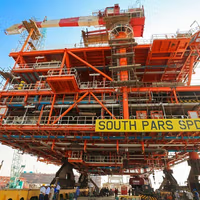
Fourth, and the perhaps the most predictable is a looming shortage of natural gas in the winter, as pressure in Iran’s South Pars maritime fields in the Persian Gulf are gradually falling. The country has failed to secure capital and western technology to improve drilling and pumping system to boost production.
Iran has the world’s second largest natural gas reserves after Russia with almost 30 trillion cubic meters of potential supply, but it needs to invest $50 billion and use special technology only a few western firms can provide to keep its level of daily production at around 700 million cubic meters.

The former head of the national gas company, Hamidreza Eraghi told ILNA news website in Tehran on November 7, that this winter the country might be forced to buy gas from Turkmenistan to be able to supply electricity and keep industries in business. Already, in the past few years as consumption has risen, there have been both shortages of electricity and gas. The government sells energy at ridiculously cheap rates and consumers have no incentive to save, with usage fast increasing each year.
There are also ongoing strikes in the oil and gas sectors in solidarity with nationwide protests, which will further hurt production.
What Iran needs most is imported technology for horizontal drilling for gas, Eraghi said, and this winter imports should increase to prevent an industrial shutdown.
The government has periodically highlighted the need to boost prices to lower consumption, but that would anger a public that has become impoverished in the past four years after the United States imposed sanctions on Iran’s oil exports. Already, with nationwide antigovernment protests raging, the government has no way to increase energy prices.
Ordinary Iranians have fallen victim to high inflation rate for years. No one knows exactly what the current annual inflation rate is, but if one would believe the government, it is at least 40 percent, with food prices having risen by 100 percent in the past 12 months. The falling national currency will accelerate inflation as Iran imports a significant part of its food and raw materials.
With a convergence of so many negative economic developments there is very little the regime can do to stop the protesters, who openly say they want to get rid of the Islamic Republic, not only for its economic mismanagement but also for its draconian denial of social freedoms.

While there are numerous reports about shortages of medicines and medical products, including basic drugs and IV fluids in recent months, the country’s health ministry has destroyed a huge amount of the imported supplies without the required examination by relevant organizations, said Saheb Hojjati, the head of the Iranian organization in charge of confiscated goods.
Large amounts of IV fluids were destroyed earlier this year while the country was suffering from severe shortages, he underlined.
Hojjati added that according to law, the Health Ministry and the Standards Organization must test the drugs and their expiration dates to see if they are safe to be used and announce the results in written documents to the Organization for Collection and Sale of State-owned Properties of Iran (OCSSPI), but this procedure is not being followed at the moment. The OCSSPI is affiliated to the Ministry of Economic Affairs and Finance, with its main purpose being the collection, storage, management and sale of properties that by law are under the ownership, possession, custody or management of the government.
Hojjati added that if the process is accelerated, the OCSSPI can sell the products in the market to the highest bidders. “This is while we are in an economic war situation and all organizations and institutions should help the government and people,” he noted.

According to Hojjati, over 7.8 trillion rials (about $26 million) worth of products, including basic medical and food items such as vegetable oil, sugar and rice, have been destroyed in the last seven months. The Islamic Republic has been claiming that United States sanctions prevent procurement of medicines, while Washington insists that humanitarian aid is exempt from sanctions. Iran has been importing more than $1.5 billion of medicines a year.
The Islamic Republic has been claiming that United States sanctions prevent procurement of medicines, while Washington insists that humanitarian aid is exempt from sanctions. Iran has been importing more than $1.5 billion of medicines a year.
Considering the incessant bemoaning by the Islamic Republic’s officials about the effect of US sanctions on shortages of medicine in the country, not only does the move seem the result of a cumbersome bureaucratic process, but it also strengthens speculations that the government is pleased with psychological effects of the shortages on foreign audiences.
However, as per the US sanctions, the Islamic Republic is legally allowed to import medicine, agricultural commodities, and medical products. According to a mandate by the US Department of Treasury, it is not necessary to acquire any permit for selling agricultural commodities, medicine, and medical devices to Iranian buyers.
In September, an Iranian lawmaker warned about the failure of the government’s Medicine Assistance Plan to make prices affordable amid high inflation and rising poverty. “Patients, particularly those with rare diseases, have been facing problems since the removal of medicine import subsidies,” Mohammad-Taghi Naghdali, a member of the parliament's judicial and legal committee, said, adding that lawmakers have warned that without allocation of cheap foreign currency to pharmaceutical imports the government's Medicine Assistance Plan is bound to fail.
President Ebrahim Raisi announced in early May that his government had begun the process of removing up to $15 billion import subsidies for basic foods, medicine, and animal feed despite warnings of more inflation and hardship. Raisi also said the government would be paying cash assistance to most Iranians as compensation.
The removal of import subsidies meant that manufacturers would no longer receive cheap dollars from the government to import raw materials to produce medicine.